It’s that strange, liminal hour when the house is still holding its breath. The refrigerator light hums, a low electric bee in the dark kitchen. I don’t make these meals for an audience. I make them because the silence needs something savory to break it. Honestly, there is a specific kind of peace that comes from watching butter melt over fish. It’s quiet work.
Last Tuesday, I woke up with a craving that felt urgent. Not hungry, just… pulled. I needed the bright hit of lemon and the green, grassy note of fresh dill. Something light enough to not weigh me down, but rich enough to feel like care. So I pulled the fillets from the freezer. They were still frosty to the touch.
I didn’t turn on the overhead lights. Just the small stove lamp. The smell of melting butter and citrus filling the space slowly. It’s my ritual. No phones, no noise. Just the sizzle and the timer ticking down. When you make this juicy baked salmon with lemon dill butter, you’re not just cooking dinner. You’re making a moment for yourself. A small, edible pause button.
Sometimes, the best meals are the ones made when no one is watching. This recipe sticks with me because it’s simple, but it feels luxurious. It tastes like I took my time, even when I didn’t have much. That’s the secret. It’s not about the ingredients being fancy. It’s about the feeling they bring. And in the quiet of the early morning, that feeling is everything.
Why You’ll Love This Recipe
I’ve spent years testing salmon recipes, trying to find that perfect balance between flaky and firm. Most recipes promise “restaurant quality,” but they end up dry and overcooked. This one is different. It’s built on a foundation of trust—trust in the butter, trust in the heat, and trust in your own instincts. I’ve tested this method on everything from thin filets to thick center cuts, and it delivers every single time.
Here is why this recipe has earned a permanent spot in my weekly rotation:
- Quick & Easy: It comes together in under 20 minutes. You literally just mix the butter, spoon it on, and bake. It’s perfect for those busy weeknights when you’re exhausted but still want to eat well.
- Simple Ingredients: No fancy grocery trips needed. You likely already have butter, lemons, dill, and salmon in your kitchen or freezer. It’s pantry-friendly cooking at its finest.
- Perfect for Solo Dinners: This is great for cozy dinners for one or two. It doesn’t require a huge spread of sides to feel complete.
- Crowd-Pleaser: Even the pickiest eaters at my table go back for seconds. The lemon cuts through the richness, making it light enough to enjoy without feeling sluggish afterward.
- Unbelievably Delicious: The texture is next-level. The butter bastes the fish as it cooks, keeping it moist. It’s comfort food reimagined—healthier, faster, but with the same soul-soothing satisfaction.
What makes this truly stand out is the sauce. It’s not just melted butter; it’s an emulsion of citrus, herbs, and fat that coats every flake. It’s the kind of meal that makes you close your eyes after the first bite. It’s not just food; it’s a moment of clarity. If you are looking for other quick, healthy dinners, you might also enjoy checking out my crispy apple cider braised pork chops for a different protein option that is equally fast and flavorful.
What Ingredients You Will Need
This recipe relies on the quality of its components because there are so few of them. When the ingredient list is short, every item carries weight. You want fresh, vibrant flavors that shine without being masked by heavy spices. The goal here is brightness and richness working in tandem.
For the Salmon
- Salmon Fillets: 4 pieces (about 6 oz each), skin-on or skinless. I prefer wild-caught Alaskan salmon for its firmer texture and cleaner taste. Look for fillets that are bright orange-pink, not dull or brownish.
- Neutral Oil: 1 tablespoon olive oil or avocado oil. This helps prevent sticking and aids in browning the edges slightly.
- Salt and Pepper: Kosher salt and freshly cracked black pepper. Seasoning is key to bringing out the natural flavor of the fish.
For the Lemon Dill Butter
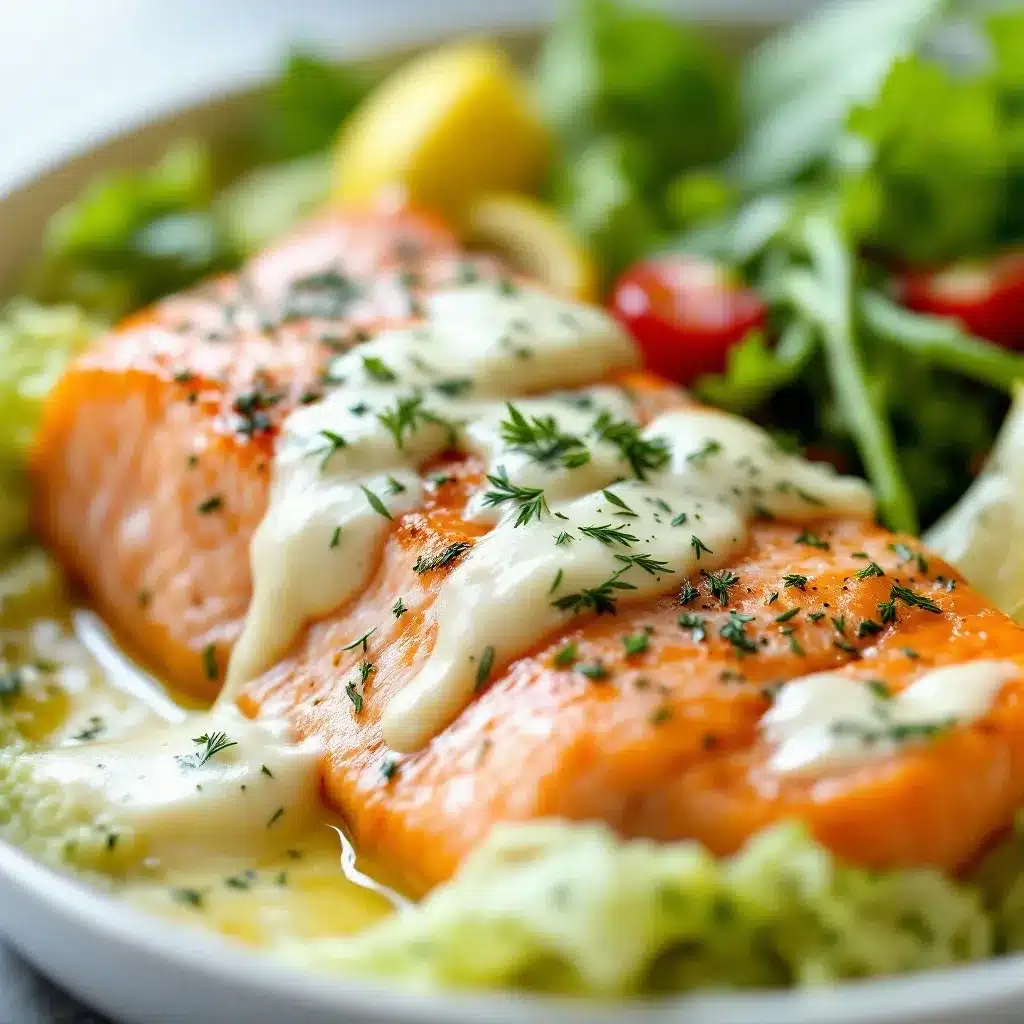
- Unsalted Butter: 4 tablespoons, softened. Softened butter blends easier with the herbs. I use Kerrygold because of its high butterfat content and rich flavor.
- Fresh Lemon: 1 large lemon. You will need both the zest and the juice. Fresh lemon juice is non-negotiable; bottled juice tastes metallic and flat.
- Fresh Dill: 2 tablespoons, finely chopped. Fresh dill has a grassy, anise-like flavor that dried dill just can’t match. If you must use dried, use 1 teaspoon, but fresh is best.
- Garlic: 1 clove, minced finely. Just a hint of garlic adds depth without overpowering the lemon.
- Red Pepper Flakes: 1/4 teaspoon (optional). A tiny pinch adds a subtle warmth that balances the cool lemon.
Substitution note: If you are dairy-free, you can substitute the butter with a high-quality olive oil or a plant-based butter alternative, though the texture of the sauce will be different. For a gluten-free option, this recipe is naturally gluten-free, so no swaps needed there.
Equipment Needed
You don’t need a lot of fancy gear for this. A standard baking sheet is all you really need. I recommend lining it with parchment paper or aluminum foil for easy cleanup. The butter sauce can be a mess if it drips onto the pan directly. A small mixing bowl is helpful for combining the butter mixture. A zester or microplane is great for getting just the yellow part of the lemon peel without the bitter white pith. If you don’t have one, a regular grater works, just be careful. A fish spatula is nice for flipping or serving, but a regular spatula works fine too. Keep it simple.
Preparation Method
- Preheat the Oven: Set your oven to 400°F (200°C). This high heat is crucial. It cooks the fish quickly, keeping it juicy inside while setting the butter sauce on top. If your oven runs hot or cold, you might need to adjust by 5-10 degrees.
- Prepare the Salmon: Pat the salmon fillets dry with paper towels. This step is important for removing excess moisture, which helps the seasoning stick. Place the fillets on a prepared baking sheet. Season both sides generously with salt and pepper. Drizzle with the neutral oil and rub it in gently.
- Make the Butter Mixture: In a small bowl, combine the softened butter, lemon zest, lemon juice, chopped dill, minced garlic, and red pepper flakes. Mix until well combined. It should look like a bright yellow-green paste. Taste it; it should be tangy and herby. Add a pinch more salt if needed.
- Top the Salmon: Spoon a generous amount of the lemon dill butter mixture onto the center of each fillet. Use the back of a spoon to spread it out, covering the top surface. Don’t worry if it melts a bit; that’s part of the process. The butter will bubble and baste the fish as it bakes.
- Bake: Place the baking sheet in the preheated oven. Bake for 12-15 minutes. The exact time depends on the thickness of your fillets. A general rule is about 4-5 minutes per inch of thickness. You want the fish to be opaque and flake easily with a fork, but still moist.
- Check for Doneness: Insert a fork into the thickest part and twist gently. If it flakes apart easily, it’s done. If it’s still translucent in the center, give it another 2-3 minutes. Avoid overcooking, as this is the quickest way to dry out salmon.
- Rest and Serve: Remove from the oven and let the salmon rest for 2-3 minutes. This allows the juices to redistribute. The butter sauce will have thickened slightly. Serve immediately while hot.
Troubleshooting tip: If your butter starts to separate and look oily, it might be because the butter was too hot when mixed or the oven was too far from the heating element. Using softened butter and placing the pan in the center of the oven usually fixes this.
Cooking Tips & Techniques
One common mistake people make is overcrowding the pan. Give each fillet some space. If you stack them, they will steam instead of bake, and you won’t get that nice texture. Also, don’t skip the pat-dry step. Moisture is the enemy of good searing and sauce adhesion.
I once tried making this with frozen salmon straight from the freezer. It worked, but the water content was higher, and the sauce was runnier. Thawing it properly in the fridge overnight yields a much better result. If you’re in a rush, you can thaw it under cold running water, but don’t use hot water.
Another pro tip: Save the lemon halves after juicing. You can place them cut-side down on the baking sheet alongside the salmon for the last 5 minutes of cooking. They get slightly charred and sweet, adding a nice visual element and extra flavor to the pan juices.
Multitasking strategy: While the salmon bakes, you can quickly prepare a simple side like steamed asparagus or a green salad. The 15-minute bake time is perfect for getting a side dish ready without burning it. This recipe pairs beautifully with lighter sides, keeping the meal balanced.
Variations & Adaptations
While the classic lemon dill version is my favorite, there are fun ways to twist this recipe. For a spicy kick, add a diced jalapeño to the butter mixture instead of red pepper flakes. For an Asian-inspired version, swap the dill for cilantro, add a teaspoon of grated ginger, and use soy sauce instead of salt in the butter mix. It creates a teriyaki-like glaze.
If you are watching your saturated fat intake, you can reduce the butter to 2 tablespoons and add 2 tablespoons of Greek yogurt to the mixture. It won’t be as rich, but it adds a nice tang. For a vegetarian version, you can use firm tofu steaks. Press the tofu first, then bake it with the same sauce. It absorbs the flavors beautifully.
I also like to add capers to the butter mixture sometimes. They add a salty, briny punch that complements the lemon perfectly. It’s a little nautical vibe. If you have leftover salmon, flake it into salads or pasta later in the week. The flavors hold up well.
Serving & Storage Suggestions
Serve this salmon warm, straight from the oven. It pairs wonderfully with roasted vegetables, quinoa, or simple white rice. A glass of crisp white wine, like a Sauvignon Blanc or Pinot Grigio, cuts through the richness of the butter nicely. I also like a sparkling water with lime for a non-alcoholic option.
For storage, let the salmon cool completely, then store it in an airtight container in the refrigerator for up to 3 days. The flavors actually meld and deepen after a day or two. To reheat, use a low oven (300°F) for about 10 minutes, or microwave it on low power in short bursts. Avoid high heat, or the fish will become rubbery.
You can also freeze the salmon, but the texture may change slightly upon thawing. It’s best eaten fresh. If you have extra lemon dill butter, freeze it in an ice cube tray. You can use these cubes to flavor future meals, like steamed veggies or chicken.
Nutritional Information & Benefits
Salmon is a nutritional powerhouse. It’s packed with high-quality protein and omega-3 fatty acids, which are great for heart and brain health. The lemon adds vitamin C, which boosts immunity and helps with iron absorption. Dill contains antioxidants and may aid in digestion. This meal is naturally gluten-free and low-carb, making it suitable for various dietary needs. Just be mindful of the butter if you are strictly tracking saturated fats, though in moderation, it’s part of a balanced diet. I find that eating this makes me feel energized and clear-headed, rather than heavy and sleepy.
Conclusion
This juicy baked salmon with lemon dill butter is more than just a meal. It’s a reminder that simple things can be profound. It’s quick, it’s healthy, and it tastes incredible. I hope you try it and find your own quiet moment with it. Feel free to adjust the herbs or spices to suit your taste. Cooking is personal. If you make this, I’d love to hear how it turned out. Leave a comment below with your thoughts or any variations you tried. Share it with friends who love easy, delicious dinners. Enjoy the process, and enjoy the food.
Frequently Asked Questions
How do I know when salmon is fully cooked?
The best way is to check the internal temperature. It should reach 145°F (63°C) at the thickest part. Visually, the fish should be opaque and flake easily with a fork. If it’s still translucent, it needs more time.
Can I use frozen salmon for this recipe?
Yes, but it’s best to thaw it completely first. Cooking frozen salmon directly can lead to uneven cooking and a watery sauce. Thaw it in the fridge overnight or under cold water.
What sides go well with this salmon?
Simple sides work best. Roasted asparagus, steamed broccoli, quinoa, or a fresh green salad with lemon vinaigrette are all great choices. You can also serve it with crusty bread to soak up the butter sauce.
Can I grill this instead of baking?
Yes, you can grill salmon. Use a grill basket or foil packet to prevent the fish from sticking. The cooking time will be similar, about 12-15 minutes, depending on the heat of your grill.
How long does the lemon dill butter last?
The butter mixture can be made ahead and stored in the fridge for up to 3 days. You can also freeze it for up to 3 months. Just thaw it before using.
Pin This Recipe!
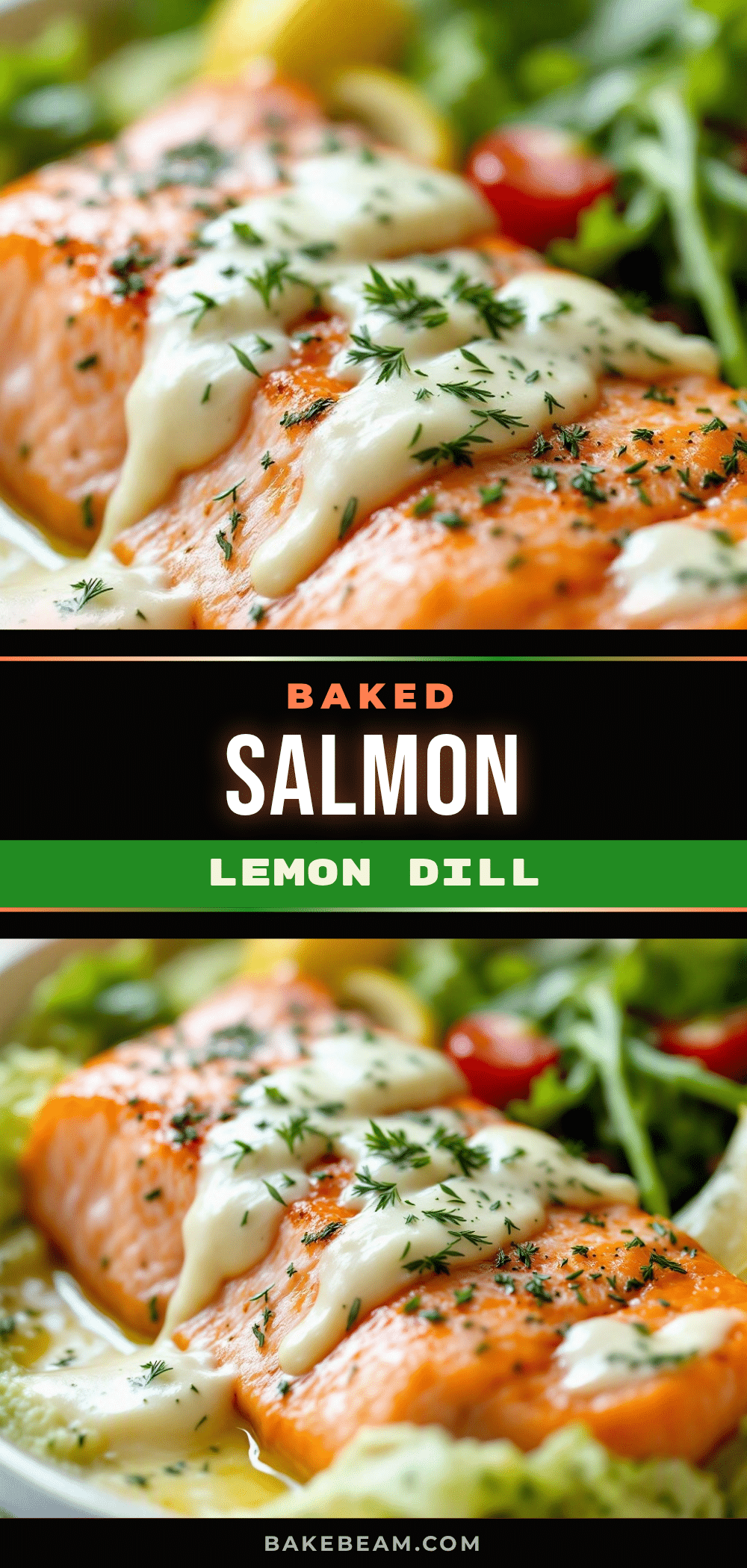
Juicy Baked Salmon with Lemon Dill Butter
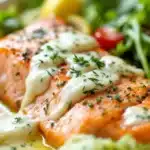
A quick and elegant 20-minute baked salmon recipe featuring a rich lemon dill butter sauce. This simple dish delivers restaurant-quality flavor with minimal effort, perfect for solo dinners or busy weeknights.
- Prep Time: 5 minutes
- Cook Time: 15 minutes
- Total Time: 20 minutes
- Yield: 4 servings 1x
- Category: Main Course
- Cuisine: American
Ingredients
- 4 salmon fillets (about 6 oz each), skin-on or skinless
- 1 tablespoon neutral oil (olive oil or avocado oil)
- Kosher salt and freshly cracked black pepper
- 4 tablespoons unsalted butter, softened
- 1 large lemon (zest and juice)
- 2 tablespoons fresh dill, finely chopped
- 1 clove garlic, minced
- 1/4 teaspoon red pepper flakes (optional)
Instructions
- Preheat the oven to 400°F (200°C).
- Pat the salmon fillets dry with paper towels and place them on a prepared baking sheet.
- Season both sides of the fillets generously with salt and pepper, then drizzle with neutral oil and rub gently.
- In a small bowl, combine the softened butter, lemon zest, lemon juice, chopped dill, minced garlic, and red pepper flakes. Mix until well combined.
- Spoon the lemon dill butter mixture onto the center of each fillet and spread it to cover the top surface.
- Bake in the preheated oven for 12-15 minutes, or until the fish is opaque and flakes easily with a fork.
- Remove from the oven and let the salmon rest for 2-3 minutes before serving.
Notes
Ensure salmon is fully thawed for best results. Do not overcrowd the pan. The internal temperature should reach 145°F (63°C). Store leftovers in an airtight container in the refrigerator for up to 3 days.
Nutrition
- Serving Size: 1 fillet (6 oz)
- Calories: 350
- Sugar: 1
- Sodium: 300
- Fat: 24
- Saturated Fat: 10
- Carbohydrates: 2
- Protein: 30
Keywords: salmon, baked salmon, lemon dill butter, quick dinner, healthy seafood, easy recipe, gluten-free, omega-3