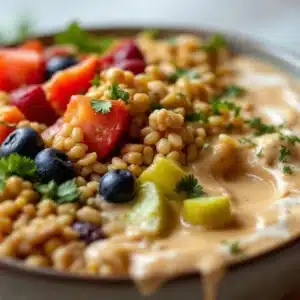
The casserole dish was sitting in the sink, scraped clean with that stubborn, glossy smear of orange sauce clinging to the ceramic bottom. It had been gone in twelve minutes. I actually timed it because I was planning to take a photo for the blog, but honestly, the smell of roasted squash and sharp cheddar is a terrible distraction. My husband came back from the kitchen for a second time, holding the empty dish like it was a trophy. “We need more,” he said, not as a question, but as a statement of fact.
That was three weeks ago. Now, this creamy butternut squash mac and cheese is the first thing people ask for when they hear I’m hosting dinner. It started as a way to use up a giant, slightly too-hard squash from the farmer’s market. I didn’t expect it to become a staple. I just wanted something warm for a cold Tuesday night.
The truth is, I was skeptical about mixing orange vegetables with cheese pasta. I thought it might taste weird or turn into a mushy disaster. But then I tried the first bite. The sweetness of the roasted squash balanced the salty, sharp cheddar perfectly. It wasn’t just comfort food; it was something better. It was rich and creamy without feeling heavy.
Now, whenever I make it, I watch for that same look on people’s faces. The surprise, followed by the quiet realization that this is the good stuff. It’s the kind of meal that makes people forget about their phones. It’s the kind of recipe that gets you asked for again, and again. I make it now because I know how good it tastes, but mostly, I make it because I like seeing that empty pan. It’s a small victory, but it’s a good one.
Why You’ll Love This Recipe
There is a specific kind of magic that happens when you blend roasted vegetables into a cheese sauce. It’s not just a trick; it’s a texture game-changer. This creamy butternut squash mac and cheese isn’t just a side dish; it’s a complete comfort experience that feels indulgent but actually packs in some serious nutrition. You know how sometimes you eat something and feel sluggish afterwards? This isn’t that. It’s cozy, but it doesn’t weigh you down.
Here is why this recipe has earned a permanent spot in my weekly rotation:
* **Quick & Easy**: While roasting the squash takes time, it’s mostly hands-off. The actual assembly comes together in under 30 minutes, making it perfect for busy weeknights or when you need to impress guests without stressing in the kitchen.
* **Simple Ingredients**: You don’t need a pantry full of weird thickeners or processed cheese powders. You likely already have the squash, some good cheese, and pasta in your kitchen. It’s wholesome, real food.
* **Perfect for Fall Entertaining**: This dish bridges the gap between a hearty main course and a vibrant side. It’s ideal for potlucks, holiday mornings, or cozy dinners when the weather turns chilly.
* **Crowd-Pleaser**: Even the pickiest eaters who usually turn their noses up at vegetables end up loving this. The squash is so smooth and sweet that you barely notice it’s there, but the adults appreciate the depth of flavor.
* **Unbelievably Delicious**: The texture is silky, not grainy. The flavor profile is a perfect balance of earthy, sweet, and salty. It’s next-level comfort food that feels gourmet but tastes like home.
What makes this different from other pumpkin or squash mac recipes? It’s the technique. Many recipes just boil the squash and blend it, which can result in a watery sauce. Here, we roast the squash first. Roasting concentrates the sugars and adds a nutty depth that boiling just can’t achieve. Combined with a roux-based cheese sauce rather than a starch-thickened one, the result is a sauce that clings to every noodle perfectly. It’s not just another version; it’s the best version.
This recipe isn’t just good—it’s the kind that makes you close your eyes after the first bite. It’s comfort food reimagined. It’s healthier in spirit, faster in execution, but retains that soul-soothing satisfaction you crave after a long day. It’s perfect for impressing guests without the stress of complicated cooking, or turning a simple Tuesday meal into something memorable.
What Ingredients You Will Need
This recipe uses simple, wholesome ingredients to deliver bold flavor and satisfying texture without the fuss. The key is quality over quantity. Since the sauce is so central, using good ingredients makes a huge difference. We are relying on the natural sweetness of the squash to balance the sharpness of the cheese, so don’t skimp on either.
Here is what you will need to get started:
* **Butternut Squash**: One medium-large squash, peeled, seeded, and cubed. I prefer roasting it to bring out the natural sugars. Look for squash that feels heavy for its size.
* **Pasta**: 1 pound of elbow macaroni or cavatappi. Cavatappi holds the sauce better because of its spiral shape.
* **Unsalted Butter**: 4 tablespoons. This helps create the roux for the sauce base.
* **All-Purpose Flour**: 1/4 cup. This thickens the milk into a gravy-like consistency before the cheese is added.
* **Whole Milk**: 2 cups. Room temperature milk blends better into the hot roux, preventing lumps.
* **Sharp Cheddar Cheese**: 2 cups, freshly grated. Avoid pre-shredded cheese because the anti-caking agents prevent it from melting smoothly. I recommend using a block of extra-sharp cheddar for the best flavor punch.
* **Nutmeg**: 1/4 teaspoon. Just a pinch. It adds that classic mac and cheese warmth.
* **Garlic Powder**: 1/2 teaspoon. Adds a savory backbone without the texture of raw garlic.
* **Salt and Black Pepper**: To taste. Essential for balancing the sweetness of the squash.
* **Optional Topping**: 1/2 cup panko breadcrumbs mixed with 1 tablespoon melted butter for a crunchy contrast.
If you want to get fancy, you can add some crispy bacon bits or sautéed sage leaves on top. For a dairy-free option, you can swap the butter for olive oil and use a high-quality vegan cheese shreds, though the texture will be slightly different. In summer, if you can’t find good butternut squash, you can sometimes use roasted sweet potato, but the flavor profile shifts a bit. Stick with the squash for the authentic experience.
Equipment Needed
You don’t need a fancy kitchen to make this, but having the right tools helps.
* **Sheet Pan**: A large rimmed baking sheet is essential for roasting the squash evenly. Line it with parchment paper for easy cleanup.
* **Large Saucepan**: For boiling the pasta. Make sure it’s big enough to hold the water and pasta with room to boil.
* **Medium Saucepan**: This is where the cheese sauce comes together. A non-stick or enamel-coated pan works best to prevent scorching.
* **Immersion Blender or Standard Blender**: To puree the roasted squash. An immersion blender is easier for this because you can blend the squash directly on the sheet pan or in a deep bowl. If using a standard blender, be careful with hot liquids and vent the lid.
* **Box Grater**: For grating your own cheese. Pre-shredded cheese is a no-go for smooth sauce.
* **Colander**: To drain the pasta.
If you don’t have an immersion blender, you can transfer the roasted squash to a regular blender. Just let it cool slightly first to avoid steam burns. For a budget-friendly option, a simple wire whisk works perfectly for the roux. Don’t worry about expensive gadgets; good technique matters more.
Preparation Method

Let’s get cooking. This process is straightforward, but timing matters.
1. **Preheat and Prep**: Preheat your oven to 400°F (200°C). Peel the butternut squash and remove the seeds. Cut it into 1-inch cubes. Toss them on a sheet pan with a drizzle of olive oil, salt, and pepper. Roast for 25-30 minutes until tender and slightly caramelized.
2. **Puree the Squash**: While the squash roasts, start the pasta water. Once the squash is done, let it cool for 5 minutes. Transfer it to a bowl and blend until completely smooth. You should have about 2 cups of puree. If it’s too thick, add a splash of milk.
3. **Make the Roux**: In a medium saucepan, melt the butter over medium heat. Whisk in the flour and cook for 1-2 minutes until it smells nutty. Do not let it burn.
4. **Create the Sauce**: Slowly whisk in the milk, a little at a time, to avoid lumps. Continue whisking until the mixture thickens and coats the back of a spoon, about 5 minutes.
5. **Add Flavor**: Remove the pan from heat. Stir in the nutmeg, garlic powder, salt, and pepper. Then, add the grated cheddar cheese gradually, stirring until melted and smooth.
6. **Combine**: Cook the pasta in salted boiling water until al dente. Drain, reserving a cup of pasta water. Toss the pasta with the cheese sauce. If it’s too thick, add a splash of the reserved pasta water.
7. **Finish**: If using breadcrumbs, toast them in a pan with butter until golden. Sprinkle over the mac and cheese before serving.
How do I prevent lumps in the cheese sauce?
Whisk constantly when adding the milk. If lumps form, strain the sauce through a fine-mesh sieve before adding the cheese.
Can I use pre-shredded cheese?
It’s not recommended. The additives prevent smooth melting. Grate your own for the best texture.
How do I store leftovers?
Store in an airtight container in the fridge for up to 4 days. The sauce may thicken when cold; add a splash of milk when reheating.
Cooking Tips & Techniques
Making great mac and cheese is all about controlling the heat. A common mistake is adding cheese to a boiling sauce, which causes it to break and become grainy. Always remove the pan from the heat before stirring in the cheese. The residual heat is enough to melt it smoothly.
Another tip is to roast the squash until it’s deeply browned. That caramelization adds a complexity that boiling just can’t match. If you’re short on time, you can microwave the squash cubes, but the flavor won’t be as rich.
Also, don’t skip the nutmeg. It’s a tiny amount, but it ties the dairy and vegetable flavors together. It’s the secret ingredient that makes it taste like it came from a restaurant.
When you drain the pasta, don’t rinse it. The starch on the noodles helps the sauce cling better. If you do rinse them, you’re washing away the glue that holds the dish together.
I once made this with low-fat milk and it was okay, but not great. The fat carries flavor, so whole milk or even half-and-half makes a noticeable difference. It’s worth the calories for the taste.
Variations & Adaptations
This recipe is a canvas. Here are some ways to change it up:
* **Spicy Kick**: Add a pinch of cayenne pepper or a dash of hot sauce to the cheese sauce. It cuts through the richness nicely.
* **Herbaceous Twist**: Stir in some fresh chopped sage or thyme. Sage pairs beautifully with squash and adds a savory note.
* **Protein Boost**: Mix in cooked bacon bits, shredded chicken, or sautéed broccoli florets. This turns it into a complete meal.
* **Gluten-Free**: Use your favorite gluten-free pasta and swap the all-purpose flour for a 1:1 gluten-free flour blend.
* **Vegan Version**: Use vegan butter, nutritional yeast, and a vegan cheese blend. The squash puree still provides the creamy base.
I’ve tried adding caramelized onions to this, and it was delicious. The sweetness of the onions complements the squash well. It’s a great variation for winter nights.
Serving & Storage Suggestions
Serve this warm, straight from the pot or baked in a dish for 10 minutes to get a bubbly top. It pairs well with a simple green salad or roasted Brussels sprouts. For a complete meal, add some grilled chicken or seared salmon.
Store leftovers in the refrigerator for up to 4 days. Reheat gently in a saucepan with a splash of milk to restore the creamy texture. You can also freeze it, but the texture may change slightly upon thawing. It’s best eaten fresh.
The flavors actually meld and improve after a day or two. The squash and cheese marry together, making the second day’s batch even richer.
Nutritional Information & Benefits
This dish is a balance of comfort and nutrition. Butternut squash is rich in vitamin A, fiber, and antioxidants. The cheese provides protein and calcium. While it is indulgent, the vegetable base adds nutritional value that plain mac and cheese lacks.
Each serving contains approximately 450 calories, with a good mix of carbs, fats, and proteins. It is not gluten-free unless you use GF pasta. It is vegetarian-friendly. For those watching sodium, use low-sodium cheese and control the salt added during cooking.
I love this recipe because it feels like a treat, but it’s made with real, whole ingredients. It’s a great way to get more veggies into your diet without feeling like you’re eating a salad.
Conclusion
This creamy butternut squash mac and cheese is more than just a recipe; it’s a way to make ordinary nights special. It’s easy to make, delicious to eat, and perfect for sharing. I hope you try it and see why it has become a favorite in my kitchen. Feel free to adjust the spices or add your own toppings to make it your own.
If you make this, I’d love to hear how it turns out. Leave a comment below or share a photo on social media. Tag me so I can see your creation. Thanks for reading, and happy cooking!
FAQs
Can I use frozen butternut squash?
Yes, but thaw and drain it well first. Fresh or roasted squash gives the best flavor and texture.
How do I make it extra cheesy?
Add a layer of extra cheese on top and broil for 2-3 minutes until bubbly and golden.
Can I make this ahead of time?
Yes, assemble it and refrigerate. Bake at 350°F for 20-25 minutes when ready to serve.
What kind of pasta is best?
Elbow macaroni is classic, but cavatappi or shell pasta work well too because they hold the sauce.
Is this recipe kid-friendly?
Absolutely. The sweetness of the squash usually wins over even the pickiest eaters.
Pin This Recipe!

Creamy Butternut Squash Mac and Cheese

A rich and creamy mac and cheese featuring roasted butternut squash puree blended into a sharp cheddar cheese sauce. This dish offers a perfect balance of sweet and savory flavors, providing a nutritious yet indulgent comfort food experience.
- Prep Time: 15 minutes
- Cook Time: 45 minutes
- Total Time: 60 minutes
- Yield: 6 servings 1x
- Category: Main Course
- Cuisine: American
Ingredients
- 1 medium-large butternut squash, peeled, seeded, and cubed
- 1 pound elbow macaroni or cavatappi
- 4 tablespoons unsalted butter
- 1/4 cup all-purpose flour
- 2 cups whole milk
- 2 cups sharp cheddar cheese, freshly grated
- 1/4 teaspoon nutmeg
- 1/2 teaspoon garlic powder
- Salt and black pepper to taste
- Olive oil for roasting squash
- 1/2 cup panko breadcrumbs (optional)
- 1 tablespoon melted butter (for breadcrumbs, optional)
Instructions
- Preheat oven to 400°F (200°C). Toss cubed squash with olive oil, salt, and pepper, then roast for 25-30 minutes until tender and caramelized.
- While squash roasts, bring a large pot of salted water to a boil for the pasta.
- Once roasted, let squash cool slightly and blend until completely smooth to create about 2 cups of puree.
- In a medium saucepan, melt butter over medium heat. Whisk in flour and cook for 1-2 minutes until nutty, being careful not to burn.
- Slowly whisk in milk, a little at a time, until the mixture thickens and coats the back of a spoon (about 5 minutes).
- Remove saucepan from heat. Stir in nutmeg, garlic powder, salt, and pepper.
- Gradually add grated cheddar cheese, stirring until melted and smooth.
- Cook pasta in boiling water until al dente. Drain, reserving 1 cup of pasta water.
- Toss pasta with the cheese sauce. Add reserved pasta water if the sauce is too thick.
- If using, toast breadcrumbs in butter until golden and sprinkle over the mac and cheese before serving.
Notes
Roasting the squash concentrates sugars and adds depth compared to boiling. Always remove the pan from heat before adding cheese to prevent graininess. Do not rinse the pasta after draining to help the sauce cling. For leftovers, store in an airtight container in the fridge for up to 4 days and reheat with a splash of milk.
Nutrition
- Serving Size: 1 serving
- Calories: 450
- Sugar: 6
- Sodium: 600
- Fat: 20
- Saturated Fat: 12
- Carbohydrates: 45
- Fiber: 4
- Protein: 18
Keywords: butternut squash, mac and cheese, comfort food, vegetarian, fall recipes, easy dinner, creamy pasta, cheddar cheese