Thursday afternoon, and the kitchen counter is already dusted with a fine layer of flour. The starter—my sleepy, bubbly friend named Betty—has been sitting out since breakfast, burping gently in her jar. I had no grand plan when I walked in here. Just a restless need to put my hands in dough and a craving for something that would fill the house with that yeasty, warm smell. Not bread that takes all weekend. Not a project that demands a sourdough timeline I can’t commit to. Just focaccia. The same-day kind. The kind that proves patience isn’t always measured in days—sometimes it’s just three hours and a really good olive oil drizzle.
I’ve made a lot of focaccia. The overnight kind that develops complex tang. The quick yeast version when I’ve forgotten to feed my starter. But this same-day sourdough focaccia? It sits right in the sweet spot. It gives you that unmistakable sourdough chew, those crispy, craggy edges, and the soft, airy interior that begs for a generous hand with flaky salt. And it does it all in an afternoon. No all-night fermentation. No complicated schedules. Just you, your starter, and a quiet kitchen.
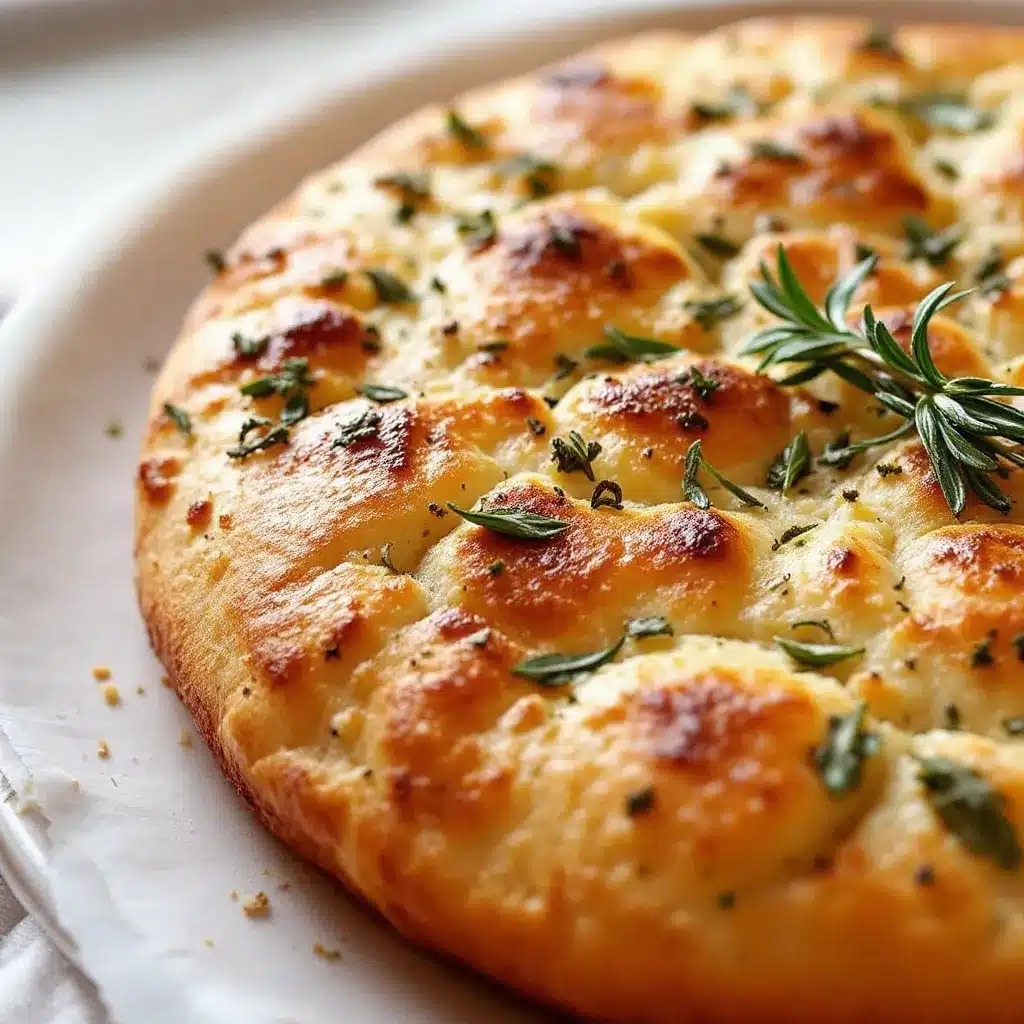
I pulled out my wooden bowl, the one that’s stained from years of use, and started mixing. There’s something grounding about the rhythm of it—the sticky dough clinging to your fingers, the slow transformation from shaggy mess into something smooth and alive. By the time I dimpled the dough and watched it fill with pools of golden olive oil and rosemary, I remembered why this recipe has become my go-to. It’s not about perfection. It’s about the simple act of making something good with what you have. And honestly? That’s the best kind of baking there is.
Why You’ll Love This Recipe
I’ve tested this recipe more times than I care to count. I’ve made it on humid summer days when the dough felt like it had a mind of its own. I’ve made it in the dead of winter when my kitchen was drafty and the rise took forever. Through all those trials, this version emerged as the one that works every single time. It’s the focaccia I turn to when I need something reliable, something that delivers that bakery-quality result without the fuss.
- Same-Day Magic : From mixing to eating in about 4 hours. No overnight wait, no complicated schedule. Just a few stretches and some patience.
- Simple Ingredients : Flour, water, starter, olive oil, salt, and rosemary. That’s it. You probably have most of these in your pantry right now.
- Perfect for Weekends or Weeknights : The timeline is flexible enough that you can start it after lunch and have warm focaccia for dinner. It’s also great for making ahead for a busy week.
- Beginner-Friendly Sourdough : If you’ve been intimidated by sourdough bread, this is where you start. The high hydration dough is forgiving, and the dimpling step is practically foolproof.
- Irresistible Texture : The contrast between the crispy, olive oil-crusted bottom, the golden top, and the soft, airy crumb is honestly addictive. You’ll find yourself eating piece after piece.
What makes this recipe different from the rest? It’s the technique. Most same-day sourdough recipes skip the stretch-and-fold method, which is essential for developing gluten in a high-hydration dough without a long fermentation. I’ve refined the timing and the folds to maximize oven spring and that open, bubbly crumb you see in the best focaccia. It’s not just another recipe—it’s the one I’ve settled on after dozens of batches, and it’s the one I trust completely.
This is the focaccia that makes you close your eyes after the first bite. It’s warm, salty, herbaceous, and utterly satisfying. It’s comfort food that feels special but doesn’t require a culinary degree. And when you pull that golden sheet out of the oven, you’ll feel a little burst of pride. Trust me, I still do every single time.
What Ingredients You Will Need
This recipe uses simple, wholesome ingredients that work together to create that signature focaccia texture and flavor. The magic is in the technique, not a long list of exotic items. Most of these are pantry staples if you maintain a sourdough starter.
- Bread Flour (450g / about 3 ½ cups) – I prefer King Arthur Bread Flour for its higher protein content, which gives the focaccia its chewy, satisfying structure. All-purpose flour works in a pinch, but the crumb will be slightly less airy. (Bread flour is key for that perfect chew)
- Active Sourdough Starter (150g / about ¾ cup) – Use your starter when it’s bubbly and roughly doubled in size, ideally fed 4-6 hours before you start. A ripe starter is the engine of this recipe. If your starter is sluggish, your focaccia will be dense.
- Warm Water (325g / about 1 ⅓ cups) – Aim for water around 80-85°F (27-29°C). Too hot and you’ll kill the wild yeast; too cold and fermentation will drag. I use filtered water to avoid any chlorine that might inhibit the starter.
- Extra-Virgin Olive Oil (60g / about ¼ cup, plus more for the pan and drizzling) – This is not the time for your cheapest oil. Use a good-quality extra-virgin olive oil for flavor. I love California Olive Ranch for its fruity, peppery notes. The oil does double duty: it enriches the dough and creates that crispy, golden crust on the bottom and top.
- Fine Sea Salt (10g / about 1 ½ teaspoons) – I use fine sea salt for the dough because it dissolves evenly. Flaky salt like Maldon is reserved for the finishing sprinkle on top—it adds that perfect crunchy burst of saltiness.
- Fresh Rosemary (2-3 sprigs, leaves stripped and roughly chopped) – Fresh rosemary is non-negotiable here. Dried rosemary can be woody and overpowering. The fresh herb infuses the olive oil and dough with a piney, aromatic flavor that is the soul of this focaccia. (Gently bruise the leaves between your fingers before adding to release the oils)
- Flaky Sea Salt (for finishing) – A generous sprinkle of Maldon or another flaky sea salt right before baking creates those beautiful salty crystals on top. It’s a small detail that makes a huge difference.
Ingredient Substitutions
- Gluten-Free Option : Substitute a 1:1 gluten-free flour blend that contains xanthan gum. The texture will be different—denser and less chewy—but still delicious. Reduce the water slightly (start with 300g) as gluten-free flours absorb liquid differently.
- Herb Variations : No rosemary? Try fresh thyme, oregano, or a mix of dried Italian herbs. Roasted garlic cloves pressed into the dimples are also incredible.
- Oil Alternatives : For a milder flavor, use a blend of olive oil and avocado oil. If you’re avoiding oil entirely (though I don’t recommend it for this recipe), you can try a very light coating of cooking spray, but the crust won’t be as crispy.
Equipment Needed
You don’t need a fancy bakery setup to make great focaccia. I’ve made this in tiny apartment kitchens with minimal tools, and it still turned out beautifully. Here’s what you’ll actually need:
- Large Mixing Bowl – A bowl big enough to hold the sticky dough and allow for folding. I use a ceramic bowl, but glass or stainless steel works fine.
- 9×13-inch Baking Pan – A metal pan is ideal because it conducts heat well and gives you that crispy bottom. Glass or ceramic pans work, but you may need to add 5-10 minutes to the baking time. (I prefer a light-colored metal pan to prevent over-browning)
- Bench Scraper or Dough Scraper – This is my most-used tool for sticky doughs. It makes folding and transferring the dough so much easier. A plastic one is gentle on your pans.
- Digital Kitchen Scale – I cannot stress this enough. Weighing your ingredients is far more accurate than measuring by volume, especially with sourdough where hydration ratios matter. A $15 scale will change your baking.
- Plastic Dough Cover or Large Bowl – To cover the dough during bulk fermentation. I use a reusable plastic shower cap (yes, really) or a clean kitchen towel. A damp towel works if you don’t have plastic wrap.
- Measuring Spoons – For the salt and any small additions.
Budget-Friendly Alternatives
- No bench scraper? Use a stiff metal spatula or even a clean ruler. I’ve used a credit card in a pinch (just make sure it’s clean!).
- No 9×13 pan? A 10-inch cast-iron skillet works beautifully and gives you a round focaccia. Adjust the baking time slightly—it may cook faster.
- No stand mixer? Good news: this recipe is entirely hand-mixed. You don’t need a mixer at all.
Preparation Method
Let’s get to the good part. This method is broken down into clear steps with time estimates. The total active time is about 20 minutes; the rest is waiting for the dough to do its thing. Set a timer for the stretches—it’s easy to lose track of time when you’re busy.
Step 1: Mix the Dough (10 minutes)
In your large mixing bowl, combine 450g bread flour and 10g fine sea salt. Whisk them together to distribute the salt evenly. Make a well in the center and add 150g active sourdough starter and 325g warm water. Use your hand or a sturdy spatula to mix until a shaggy, sticky dough forms. There should be no dry bits of flour remaining. The dough will look rough and lumpy—that’s perfect. Cover the bowl with a plastic cover or damp towel and let it rest for 30 minutes. This autolyse step allows the flour to fully hydrate and starts gluten development without any effort from you.
Step 2: First Stretch and Fold (30 minutes into bulk fermentation)
After the 30-minute rest, the dough will be slightly smoother and more cohesive. Wet your hands with a little water to prevent sticking. Grab a section of dough from one side, stretch it up and over the center of the dough. Rotate the bowl 90 degrees and repeat, doing this 4 times total (one for each “corner” of the dough). You’ll feel the dough tighten slightly. Cover and let it rest for another 30 minutes. If the dough feels very sticky, just wet your hands again—it’s easier than adding more flour.
Step 3: Second and Third Stretch and Folds (60 minutes)
Repeat the stretch-and-fold process two more times, each 30 minutes apart. After the third fold, the dough should be noticeably smoother, more elastic, and starting to show some bubbles on the surface. It will still be sticky, but it should feel alive and bouncy. Cover the bowl and let the dough continue its bulk fermentation for another 1 to 1.5 hours, or until it has increased in volume by about 50-75%. The exact time depends on your starter’s strength and your kitchen temperature. On a warm day (75°F/24°C), this might take 3 hours total from mixing. On a cooler day, it could take 4.
Step 4: Prepare the Pan and Transfer the Dough (5 minutes)
While the dough is on its final rise, generously coat your 9×13-inch baking pan with 2-3 tablespoons of olive oil. Make sure the bottom and sides are well-covered. The oil is what gives focaccia its signature crispy, golden crust. When the dough is ready, gently coax it out of the bowl and into the oiled pan. It will be soft and jiggly. Try not to deflate it too much. Let the dough rest in the pan for 10 minutes to relax before you start stretching it.
Step 5: Stretch and Dimple (5 minutes)
With oiled fingers, gently stretch the dough to the edges of the pan. It will resist at first—be patient. If it springs back, let it rest another 5-10 minutes and try again. Once it’s evenly spread, it’s time for the best part: dimpling. Use your fingertips to press deep, even indentations all over the surface of the dough. Press all the way down to the bottom of the pan. Don’t be shy—the dimples hold the olive oil and create those signature focaccia craters. Drizzle another 1-2 tablespoons of olive oil over the top, letting it pool in the dimples. Sprinkle the chopped fresh rosemary and a generous pinch of flaky sea salt over the entire surface.
Step 6: Final Proof (30-45 minutes)
Cover the pan loosely with plastic wrap or a damp towel and let the dough proof for 30-45 minutes. It should become slightly puffy and bubbly. Meanwhile, preheat your oven to 425°F (220°C) with a rack in the middle position. If you have a baking stone or steel, place it on the rack to preheat—it helps create an even crisper bottom.
Step 7: Bake (20-25 minutes)
Bake the focaccia on the middle rack for 20-25 minutes, rotating the pan halfway through for even browning. The top should be deep golden brown, and the edges should look crispy and slightly darker. If you want an extra-crispy bottom, you can carefully remove the focaccia from the pan and place it directly on the oven rack for the last 2-3 minutes of baking. Let it cool in the pan for 5 minutes, then transfer to a wire rack. Try to wait at least 10 minutes before cutting into it—the steam inside needs to settle, and the crust will stay crisper.
Cooking Tips & Techniques
I’ve made every mistake in the book with focaccia, and I’m sharing them so you don’t have to. Here are the things I wish someone had told me when I started.
Don’t skimp on the olive oil. This is the number one mistake I see. Focaccia needs a generous amount of oil in the pan and on top. It’s not just for flavor—the oil fries the dough as it bakes, creating that incredible crispy crust. If you use too little, you’ll end up with a pale, dry bread. Be generous. Your waistline will forgive you.
Wet your hands for the stretches. Sticky dough is the enemy of a relaxed baker. Keep a small bowl of water nearby and dip your fingers before each stretch. It’s a game-changer. The dough won’t stick to you, and you won’t be tempted to add extra flour, which can make the focaccia dense.
Watch the temperature, not the clock. Your kitchen temperature dramatically affects fermentation time. On a hot summer day, your dough might be ready in 3 hours. In a cool winter kitchen, it could take 5. Look for visual cues: the dough should be bubbly, jiggly, and have increased in volume by about 50%. Don’t rush it, and don’t overproof it either. Overproofed dough will be slack and won’t hold its shape in the oven.
Use a light-colored metal pan. Dark non-stick pans absorb more heat and can burn the bottom of your focaccia before the top is done. If that’s all you have, reduce the oven temperature by 25°F and check it a few minutes early. I learned this the hard way after a few batches with blackened bottoms.
Let it cool before cutting. I know it’s tempting to tear into that warm, fragrant focaccia immediately. But cutting into it while it’s hot will release all the steam and make the interior gummy. Let it rest for at least 10-15 minutes on a wire rack. The wait is worth it for that perfect, airy crumb.
Variations & Adaptations
This same-day sourdough focaccia is a fantastic base for endless variations. Here are some of my favorites that I’ve tried and loved.
Garlic and Herb Focaccia – Before dimpling, press 4-5 thinly sliced garlic cloves into the dough along with the rosemary. The garlic roasts in the olive oil and becomes sweet and mellow. Add a sprinkle of dried oregano or thyme for extra depth. This version is perfect alongside a bowl of slow cooker football chili or a hearty soup.
Everything Bagel Focaccia – After dimpling and adding the olive oil, sprinkle the top generously with everything bagel seasoning (sesame seeds, poppy seeds, dried garlic, dried onion, and salt). The seeds toast in the oven and add an incredible crunch. This is my go-to for brunch or alongside a salad for lunch.
Sun-Dried Tomato and Feta Focaccia – Press ⅓ cup of chopped sun-dried tomatoes (drained of oil) and ½ cup of crumbled feta cheese into the dimples before the final proof. The salty, tangy feta pairs beautifully with the rich olive oil and the tangy sourdough. It’s almost a meal in itself.
Sweet Focaccia with Grapes and Honey – For a dessert or breakfast twist, omit the rosemary and salt. Instead, press halved red grapes into the dough, drizzle with honey, and sprinkle with a little coarse sugar before baking. The grapes burst and caramelize in the oven. Serve it warm with a dollop of ricotta. Trust me on this one—it’s unexpected and wonderful.
Gluten-Free Adaptation – Use a high-quality 1:1 gluten-free flour blend. The dough will be more like a thick batter than a traditional dough. You won’t be able to do the stretch-and-folds the same way, so just mix everything together, pour it into the oiled pan, and let it rise for about 2 hours. It won’t be as airy, but the flavor will still be fantastic.
Serving & Storage Suggestions
This focaccia is best enjoyed warm, straight from the oven, when the crust is at its crispiest and the interior is pillowy soft. But it’s also incredibly versatile and keeps well for a few days.
Serving Ideas – Serve it as a side with pasta, soup, or salad. Use it for sandwiches—it makes an incredible base for ham and cheese pinwheels or a simple turkey and pesto sandwich. Tear it into pieces and serve it with a dish of good olive oil and balsamic vinegar for dipping. It’s also fantastic alongside a fresh garden tomato basil bruschetta for a light appetizer spread.
Storage – Store leftover focaccia in an airtight container or wrapped tightly in foil at room temperature for up to 2 days. Do not refrigerate it—the fridge will dry it out and make it stale faster. If you need to keep it longer, freeze it.
Freezing – Focaccia freezes beautifully. Let it cool completely, then wrap it tightly in plastic wrap, followed by a layer of foil. Freeze for up to 3 months. To reheat, unwrap and place directly in a 350°F (175°C) oven for 10-15 minutes, or until warmed through and the crust is crispy again. You can also slice it and toast individual pieces from frozen.
Reheating – The oven is your best friend for reheating focaccia. A microwave will make it rubbery. For a quick fix, toast slices in a toaster or under the broiler for a minute or two. The flavors actually improve slightly after a day—the rosemary mellows and the olive oil soaks deeper into the crumb.
Nutritional Information & Benefits
While focaccia is definitely a treat, it does offer some nutritional benefits, especially when made with sourdough. The fermentation process breaks down some of the gluten and phytic acid, making the nutrients in the flour more bioavailable. Here’s an estimated breakdown per serving (based on 12 servings):
| Nutrient | Per Serving |
|---|---|
| Calories | 220-250 |
| Total Fat | 10-12g |
| Saturated Fat | 1.5-2g |
| Carbohydrates | 28-32g |
| Fiber | 1-2g |
| Protein | 5-6g |
| Sodium | 350-400mg |
Pin This Recipe!

Perfect Same-Day Sourdough Focaccia with Rosemary

A same-day sourdough focaccia that delivers a crispy, golden crust and soft, airy interior with fragrant rosemary. No overnight fermentation needed—just a few hours and simple ingredients for a bakery-quality loaf.
- Prep Time: 20 minutes
- Cook Time: 25 minutes
- Total Time: 4 hours
- Yield: 12 servings 1x
- Category: Bread
- Cuisine: Italian
Ingredients
- 450g bread flour (about 3 ½ cups)
- 150g active sourdough starter (about ¾ cup)
- 325g warm water (about 1 ⅓ cups, 80-85°F)
- 60g extra-virgin olive oil (about ¼ cup, plus more for pan and drizzling)
- 10g fine sea salt (about 1 ½ teaspoons)
- 2–3 sprigs fresh rosemary, leaves stripped and roughly chopped
- Flaky sea salt (for finishing)
Instructions
- In a large mixing bowl, combine 450g bread flour and 10g fine sea salt. Whisk to distribute salt evenly. Make a well and add 150g active sourdough starter and 325g warm water. Mix with your hand or a spatula until a shaggy, sticky dough forms. Cover and let rest for 30 minutes.
- After 30 minutes, wet your hands with water. Grab a section of dough, stretch it up and over the center. Rotate bowl 90° and repeat for a total of 4 stretches. Cover and rest 30 minutes.
- Repeat the stretch-and-fold process two more times, each 30 minutes apart. After the third fold, cover and let bulk ferment for 1 to 1.5 hours, until dough has increased by 50-75%.
- Generously coat a 9×13-inch baking pan with 2-3 tablespoons olive oil. Gently transfer the dough to the pan. Let rest 10 minutes.
- With oiled fingers, gently stretch dough to edges of pan. If it resists, let rest 5-10 minutes. Use fingertips to press deep dimples all over the surface. Drizzle 1-2 tablespoons olive oil over top, letting it pool in dimples. Sprinkle with chopped rosemary and flaky sea salt.
- Cover pan loosely and let proof for 30-45 minutes until puffy. Meanwhile, preheat oven to 425°F (220°C) with rack in middle.
- Bake on middle rack for 20-25 minutes, rotating halfway through, until deep golden brown. For extra-crispy bottom, remove from pan and place directly on oven rack for last 2-3 minutes. Cool in pan 5 minutes, then transfer to wire rack. Let rest at least 10 minutes before cutting.
Notes
Don’t skimp on olive oil—it creates the crispy crust. Wet your hands for stretches to avoid adding extra flour. Watch dough temperature, not just time; look for visual cues like bubbles and 50% volume increase. Use a light-colored metal pan to prevent burning. Let cool before cutting to maintain airy crumb.
Nutrition
- Serving Size: 1 slice (1/12 of rec
- Calories: 235
- Sodium: 375
- Fat: 11
- Saturated Fat: 1.75
- Carbohydrates: 30
- Fiber: 1.5
- Protein: 5.5
Keywords: sourdough focaccia, same-day focaccia, rosemary focaccia, easy sourdough bread, homemade focaccia