The plate was empty. Just a few crumbs of yellow cake and a smear of white frosting clinging to the ceramic. My partner looked at me, then at the empty plate, then back at me with that specific look—the one that says, “We need to make this again before next month.” Honestly, it was the third time in two weeks. I didn’t even get to enjoy my own slice properly because the momentum of eating it was just too strong to interrupt. That is the quiet victory of a perfect small batch birthday cake for two. You know the feeling. It’s not about feeding a crowd or creating a centerpiece for a hundred guests. It’s about that immediate, personal satisfaction. It’s about proving that you don’t need a full-sized oven or a mountain of sugar to celebrate something as simple as another year around the sun.
I remember the first time I made this. It was a Tuesday. Not a birthday, not an anniversary, just a random Tuesday in November. We were broke, tired, and the idea of going out to a restaurant felt like too much effort. So, I whipped up a tiny batter in a mug, then realized a mug cake isn’t really a “cake” in the way that matters. It’s a brownie with delusions of grandeur. I wanted something that felt like a celebration but fit into a single 6-inch pan. That experiment led to this recipe. It’s been tested, adjusted, and perfected over dozens of late-night baking sessions. The texture is light, the flavor is nostalgic, and the cleanup is practically nonexistent. Let’s face it, sometimes the best desserts are the ones that don’t require a trip to the grocery store for exotic ingredients. This one uses stuff you already have in your pantry.
There is a specific kind of magic in making a dessert just for two people. It feels intimate without being overly sentimental. It’s practical. You get to control the sweetness, the frosting ratio, and exactly how much sprinkles go on top. No waste. No leftovers sitting in the fridge for three days while you debate whether you should eat them or throw them away. With this perfect small batch birthday cake for two, you eat it fresh. You eat it happy. And you save the rest of the night for something else, whether that’s watching a movie or just talking about nothing in particular. It’s the kind of recipe that sticks with you because it fits your life, not the other way around.
Why You’ll Love This Recipe
Let’s be real for a second. Most small batch recipes are just scaled-down versions of large recipes, and that is often a mistake. When you scale down baking, chemistry gets weird. Eggs become too large, leavening agents become hard to measure, and the result is often a dense brick. I’ve spent years testing these ratios, failing more times than I care to admit, to get this specific small-batch birthday cake for two to rise properly. The secret isn’t just about cutting numbers; it’s about balancing moisture and fat in a way that mimics a full-sized cake.
- Quick & Easy: This comes together in under 25 minutes, from mixing to cooling. It is perfect for busy weeknights or those sudden cravings that hit right after dinner.
- Simple Ingredients: No fancy grocery trips needed. You likely already have flour, sugar, butter, and eggs in your kitchen. If you don’t, it’s a quick run to the corner store.
- Perfect for Date Night: Great for cozy dinners at home, romantic celebrations, or just treating yourself when you’re feeling down.
- Crowd-Pleaser (Mini Version): Always gets rave reviews from kids and adults alike because it’s sweet, soft, and familiar.
- Unbelievably Delicious: The texture and flavor combo is next-level comfort food. It tastes like childhood but feels like an adult treat.
What makes this different is the use of buttermilk and a touch of vinegar in the batter. It sounds odd, I know, but that reaction creates a tender crumb that regular milk just can’t achieve. It’s the kind of detail that separates a good home baker from a great one. This isn’t just another version; it’s the best version because it respects the science of baking while keeping the process human and accessible. It’s the kind of cake that makes you close your eyes after the first bite. It’s comfort food reimagined—simpler, faster, but with the same soul-soothing satisfaction you expect from a bakery. Perfect for impressing guests without stress, or turning a simple meal into something memorable.
What Ingredients You Will Need
This recipe uses simple, wholesome ingredients to deliver bold flavor and satisfying texture without the fuss. The beauty of a small batch cake lies in its simplicity. You don’t need high-end vanilla extract or imported butter to make this work. You just need quality basics. Here is what you need to gather before you start mixing.
For the Cake Batter
- All-Purpose Flour: 1/2 cup (65g). This is your structure. Don’t use cake flour unless you want it too delicate; AP flour gives it that reliable bite.
- Granulated Sugar: 1/3 cup (65g). Not too sweet, not too bland. This amount provides enough sweetness to balance the tang in the frosting.
- Baking Powder: 1/2 teaspoon. The leavening agent. Make sure it’s fresh; old baking powder is the enemy of a good rise.
- Salt: 1/4 teaspoon. Essential for bringing out the flavor of the vanilla and butter. Never skip the salt.
- Unsalted Butter: 3 tablespoons (42g), melted. Melted butter keeps the cake moist and tender. I recommend DairyPure or a high-quality European butter for richer flavor.
- Egg Yolk: 1 large egg yolk. Using just the yolk adds richness and fat without the extra water content of the white, which can make the cake tough.
- Buttermilk: 3 tablespoons (45ml). The acid in buttermilk reacts with the baking powder for lift and adds a subtle tang. If you don’t have buttermilk, add 1/2 teaspoon of vinegar or lemon juice to regular milk and let it sit for 5 minutes.
- Vanilla Extract: 1/2 teaspoon. Pure vanilla is best here. Artificial stuff can taste chemical in such a small batch.
For the Vanilla Buttercream Frosting
- Butter: 2 tablespoons (28g), softened. This needs to be soft enough to mash with a fork, not melted.
- Powdered Sugar: 1/2 cup (60g). Sifted to remove lumps. You don’t want gritty frosting.
- Milk or Cream: 1-2 teaspoons. Just enough to loosen the frosting to a spreadable consistency.
- Vanilla Extract: 1/4 teaspoon.
- Salt: A tiny pinch.
Optional: Rainbow sprinkles for that classic birthday look. They add color and a tiny crunch that contrasts nicely with the soft cake.
Equipment Needed
You don’t need a lot of fancy gear for this. The beauty of the perfect small batch birthday cake for two is its accessibility. However, having the right tools makes a huge difference in the final texture.
- 6-Inch Round Cake Pan: This is the most critical piece. A standard 8 or 9-inch pan will result in a flat, dry cake. A 6-inch pan creates the right height and moisture retention. If you don’t have one, you can use a ramekin, but the cooking time will vary slightly.
- Small Mixing Bowl: A bowl about 6-8 inches wide is perfect for whisking the dry ingredients.
- Fork or Small Whisk: You don’t need a stand mixer for this. Hand mixing is actually better because it prevents overmixing, which leads to a tough cake.
- Measuring Spoons and Cups: Precision matters in small batches. A little too much baking powder can make it taste metallic. Use proper measuring tools.
- Panther or Small Offset Spatula: For spreading the frosting smoothly. A butter knife works in a pinch, but a spatula gives you that professional finish.
If you don’t have a 6-inch pan, a standard mug cake maker or even a small oven-safe bowl works, but keep an eye on the oven because smaller volumes cook faster. I once tried this in a ramekin and it burned on the edges before the center was done. Lesson learned: stick to the 6-inch pan for consistent results.
Preparation Method
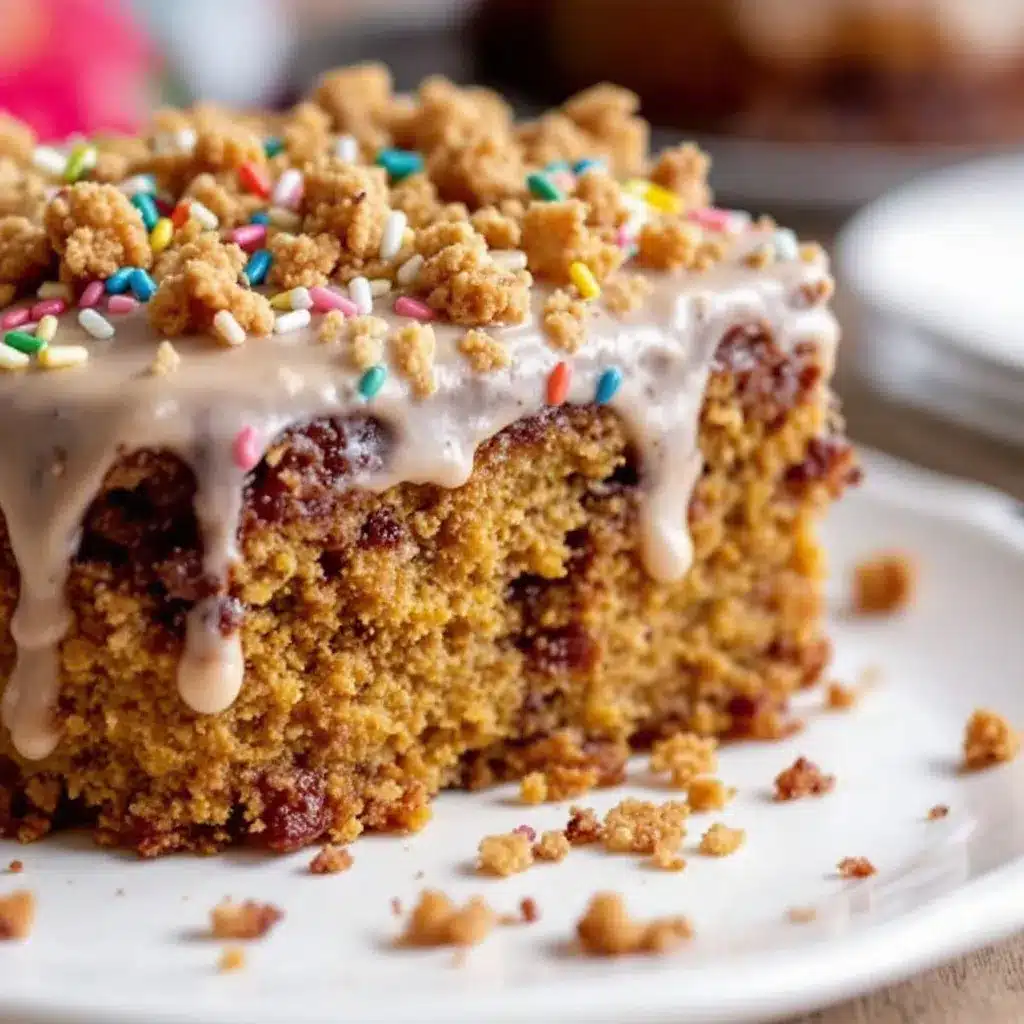
Let’s get into the nitty-gritty. Making this cake is straightforward, but there are a few tricks to ensure it turns out fluffy and not dense. Follow these steps carefully.
- Preheat and Prep: Preheat your oven to 350°F (175°C). This is crucial. If the oven isn’t hot enough when the cake goes in, it won’t rise properly. Grease your 6-inch cake pan with a little butter or non-stick spray. You can also line the bottom with a circle of parchment paper for easy removal later.
- Mix Dry Ingredients: In your small mixing bowl, whisk together the 1/2 cup flour, 1/3 cup sugar, 1/2 teaspoon baking powder, and 1/4 teaspoon salt. Do this for about 30 seconds. You want to distribute the baking powder evenly so you don’t get bitter spots. This takes about 1 minute.
- Combine Wet Ingredients: In a separate small cup or bowl, whisk the melted butter, egg yolk, buttermilk, and vanilla extract. The butter should be warm, not hot. If it’s boiling, let it cool for a minute. Whisk until smooth. This takes about 1 minute.
- Combine Wet and Dry: Pour the wet mixture into the dry ingredients. Use your fork or whisk to mix gently. Stop as soon as the flour disappears. Do not overmix! Overmixing develops gluten, and you want a tender cake, not a chewy one. The batter will be thick and slightly lumpy. That is okay. This step takes about 2 minutes.
- Bake: Pour the batter into your prepared 6-inch pan. Smooth the top with a spatula. Place it in the center of the oven. Bake for 18-22 minutes. Check it at 18 minutes. The cake is done when the top is golden brown and a toothpick inserted into the center comes out clean or with just a few moist crumbs. Do not bake until dry, or it will be crumbly. This takes about 20 minutes.
- Cool: Remove the pan from the oven and let it cool in the pan for 10 minutes. Then, run a knife around the edge and invert it onto a wire rack or plate to cool completely. You must wait until it is completely cool before frosting, or the buttercream will melt. This takes about 30-45 minutes.
- Make Frosting: While the cake cools, beat the softened butter, powdered sugar, vanilla, salt, and milk in a small bowl. Mix until smooth and creamy. If it’s too thick, add another teaspoon of milk. If it’s too thin, add a little more sugar. This takes about 3-5 minutes.
- Frost and Serve: Spread the frosting over the cooled cake. Add sprinkles if you like. Slice and enjoy immediately. The cake is best the day it is made.
Why is my cake dense?
Usually, this happens from overmixing the batter or using old baking powder. Make sure you stop mixing as soon as the flour is incorporated. Also, check your baking powder expiration date.
Can I use egg whites instead of yolks?
You can, but the texture will be lighter and less rich. The yolk adds fat and emulsification, which helps bind the small amount of ingredients together. For the best texture, stick to the yolk.
Cooking Tips & Techniques
I’ve made this cake enough times to know where things can go wrong. Here are some pro tips to ensure your perfect small batch birthday cake for two turns out exactly like you want it to.
Room Temperature Ingredients Matter: Even though we use melted butter, the egg yolk and buttermilk should be close to room temperature. Cold ingredients can cause the melted butter to seize up slightly, creating little lumps in your batter. It’s not a disaster, but it affects the smoothness. Let your egg sit out for 15 minutes if you forgot.
Don’t Skip the Sifting: If your powdered sugar is clumpy, sift it. Gritty frosting is the worst. It ruins the mouthfeel. A small sieve works wonders here. I learned this the hard way when I tried to rush the frosting step and ended up with tiny white chunks in every bite.
Monitor Your Oven: Small cakes bake quickly and can burn easily. Every oven is different. If your oven runs hot, check the cake at 16 minutes. If you see the edges browning too fast, tent a piece of foil over the top for the last 5 minutes of baking.
The Toothpick Test: This is your best friend. Don’t rely solely on the timer. Insert a toothpick into the center. If it comes out wet with batter, keep baking. If it comes out clean, it might be done, but let it sit for a minute. The residual heat will finish cooking the center.
Frosting Consistency: Small batch frosting is tricky because there’s less of it to adjust. Add milk one teaspoon at a time. It’s easier to add liquid than to fix a frosting that’s too runny. You want a spreadable consistency, like peanut butter.
Variations & Adaptations
While the classic vanilla version is a winner, this recipe is a blank canvas. Here are some ways to twist it up.
- Chocolate Version: Swap 2 tablespoons of flour with 2 tablespoons of unsweetened cocoa powder. Add 1 tablespoon of hot coffee to the wet ingredients to intensify the chocolate flavor. It sounds strange, but you won’t taste the coffee, just a deeper chocolate note.
- Strawberry Shortcake Style: Fold 1/4 cup of finely chopped fresh strawberries into the batter after mixing. Top with whipped cream instead of buttercream. It’s light, fresh, and perfect for spring.
- Lemon Blueberry: Add the zest of one lemon to the batter and fold in 2 tablespoons of fresh blueberries. The acidity of the lemon pairs beautifully with the sweetness of the cake.
- Gluten-Free Option: Use a 1:1 gluten-free flour blend. Make sure it contains xanthan gum, or add 1/4 teaspoon to the dry ingredients. The texture might be slightly more crumbly, but it will still taste great.
I once tried making this with almond flour for a lower-carb option, but it was too dense and heavy. The AP flour provides the right structure for this specific ratio. If you want a lighter texture, stick to the original ingredients or try the chocolate variation with cocoa.
Serving & Storage Suggestions
This cake is best served fresh. The texture is soft and tender, and it loses some of that quality if stored for too long. If you have leftovers (which is rare), store the cake in an airtight container at room temperature for up to 2 days. You can also refrigerate it, but let it come to room temperature before eating to restore the softness.
For serving, I like to keep it simple. A single slice on a nice plate, maybe with a dollop of whipped cream on the side if you want to be fancy. It pairs well with a hot cup of coffee or a glass of cold milk. If you’re celebrating, a small glass of champagne or prosecco adds a nice touch.
You can also freeze the unfrosted cake. Wrap it tightly in plastic wrap and foil. It will keep for up to 3 months. Thaw it overnight in the fridge, then frost it when you’re ready. The frosting does not freeze well, so always frost after thawing.
The flavors develop slightly over time, becoming more moist as the cake rests. However, the sprinkles will dissolve if left on too long. Add them right before serving for the best visual and textural contrast.
Nutritional Information & Benefits
While this is a treat, it’s worth noting the nutritional profile. A single serving (half the cake) contains approximately 450-500 calories, depending on the exact size of your egg yolk and butter. It contains carbohydrates from the flour and sugar, fats from the butter and egg yolk, and a small amount of protein.
The use of buttermilk adds a bit of calcium and probiotics, though the baking process kills the active cultures. The egg yolk provides choline, which is good for brain health. If you are watching your sugar intake, you can reduce the sugar in the batter by 1 tablespoon without significantly affecting the texture, though the cake will be less sweet.
This recipe is not gluten-free or dairy-free by default, but as mentioned, adaptations are possible. For those with egg allergies, this recipe is harder to substitute because the yolk provides structure. A flax egg might work, but the texture will be different. Always listen to your body and adjust recipes to fit your dietary needs.
Conclusion
Making a perfect small batch birthday cake for two is more than just baking; it’s about creating a moment. It’s about taking the time to make something special without the stress of a large-scale production. This recipe is reliable, delicious, and forgiving. It’s the kind of recipe that builds your confidence in the kitchen. I love it because it fits into my life perfectly. No waste, no stress, just great cake.
I encourage you to try this recipe and make it your own. Add your favorite sprinkles, swap the vanilla for almond extract, or top it with fresh fruit. The possibilities are endless. And if you do make it, I’d love to hear how it turned out. Leave a comment below with your variations or just tell me if you liked it. Sharing these small victories is what baking is all about.
Happy baking! Here’s to small batches and big flavors.
FAQs
Can I use a mug instead of a cake pan?
Yes, you can use a large mug (about 12 oz) or a ramekin. However, the baking time will be shorter, around 12-15 minutes. Keep a close eye on it to prevent burning.
Why is my cake dry?
Overbaking is the most common cause. Check the cake a few minutes before the timer goes off. Also, ensure you are using the correct amount of butter and buttermilk.
Can I make this cake ahead of time?
You can bake the cake ahead of time and store it unfrosted. Frost it just before serving for the best texture and presentation.
What size pan is best for this recipe?
A 6-inch round cake pan is ideal. It creates the right height and ensures even cooking. An 8-inch pan will result in a thin, flat cake that may dry out.
Can I freeze the leftover cake?
Yes, freeze the unfrosted cake in an airtight container for up to 3 months. Thaw in the fridge and frost before eating. Frosted cake does not freeze well.
Pin This Recipe!
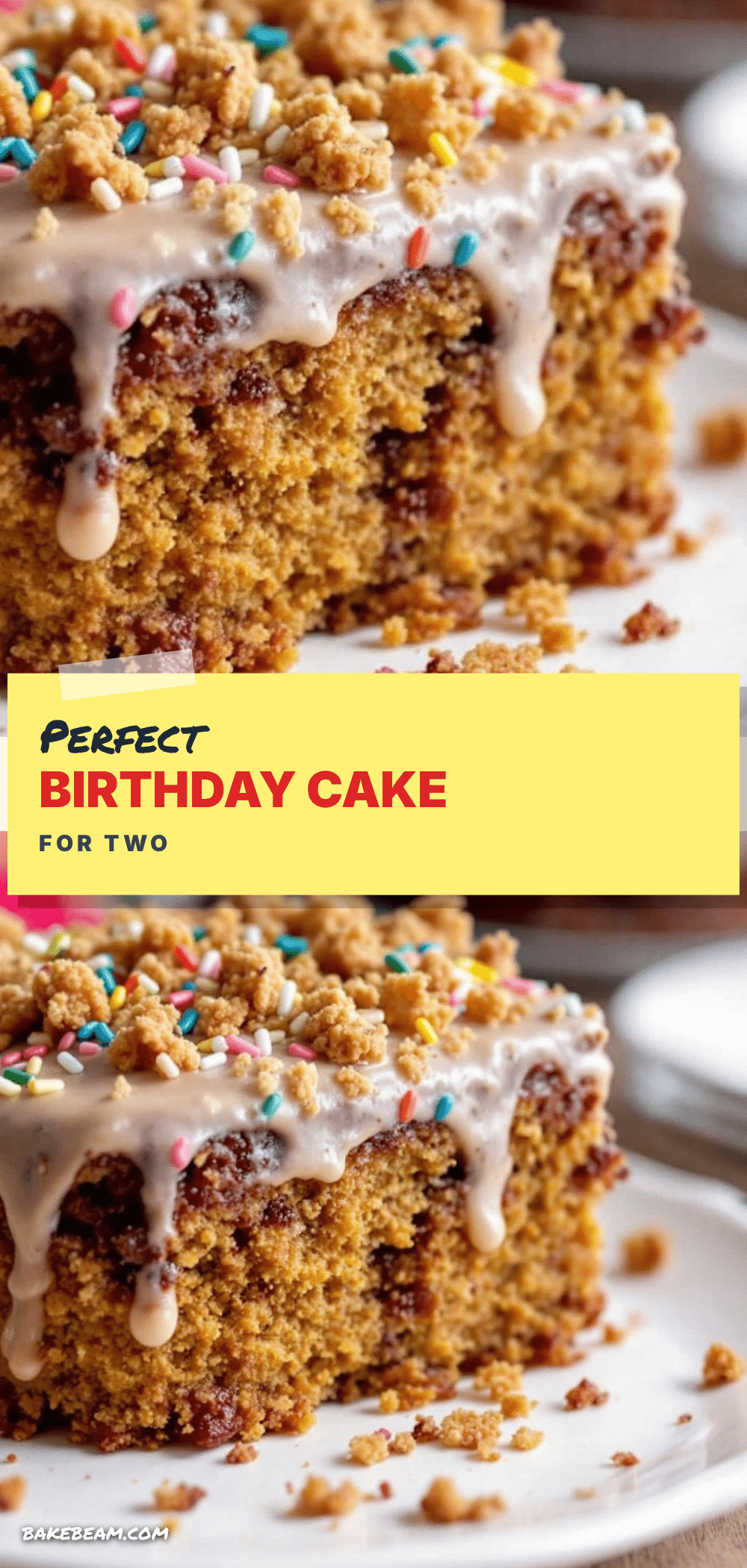
Perfect Small Batch Birthday Cake for Two
A tender, moist vanilla birthday cake specifically scaled for two people, featuring a simple vanilla buttercream frosting and made with pantry staples in under 25 minutes.
- Prep Time: 10 minutes
- Cook Time: 20 minutes
- Total Time: 30 minutes
- Yield: 2 servings 1x
- Category: Dessert
- Cuisine: American
Ingredients
- 1/2 cup (65g) All-Purpose Flour
- 1/3 cup (65g) Granulated Sugar
- 1/2 teaspoon Baking Powder
- 1/4 teaspoon Salt
- 3 tablespoons (42g) Unsalted Butter, melted
- 1 large Egg Yolk
- 3 tablespoons (45ml) Buttermilk
- 1/2 teaspoon Vanilla Extract
- 2 tablespoons (28g) Butter, softened (for frosting)
- 1/2 cup (60g) Powdered Sugar, sifted (for frosting)
- 1–2 teaspoons Milk or Cream (for frosting)
- 1/4 teaspoon Vanilla Extract (for frosting)
- Pinch of Salt (for frosting)
- Rainbow sprinkles (optional)
Instructions
- Preheat oven to 350°F (175°C). Grease a 6-inch round cake pan with butter or non-stick spray, optionally lining the bottom with parchment paper.
- In a small mixing bowl, whisk together the flour, granulated sugar, baking powder, and salt for about 30 seconds to distribute ingredients evenly.
- In a separate small cup or bowl, whisk the melted butter, egg yolk, buttermilk, and vanilla extract until smooth. Ensure the butter is warm, not hot.
- Pour the wet mixture into the dry ingredients. Mix gently with a fork or whisk until the flour just disappears. Do not overmix; the batter should be thick and slightly lumpy.
- Pour the batter into the prepared pan and smooth the top. Bake for 18-22 minutes, or until the top is golden brown and a toothpick inserted into the center comes out clean.
- Let the cake cool in the pan for 10 minutes, then invert it onto a wire rack or plate to cool completely.
- While the cake cools, beat the softened frosting butter, powdered sugar, vanilla, salt, and milk in a small bowl until smooth and creamy. Adjust consistency with more milk or sugar as needed.
- Spread the frosting over the completely cooled cake. Add sprinkles if desired and serve immediately.
Notes
Ensure baking powder is fresh for proper rise. Do not overmix the batter to avoid a tough texture. The cake must be completely cool before frosting to prevent the buttercream from melting. If you don’t have buttermilk, add 1/2 teaspoon of vinegar or lemon juice to regular milk and let sit for 5 minutes.
Nutrition
- Serving Size: 1/2 of the cake
- Calories: 475
- Sugar: 45
- Sodium: 250
- Fat: 22
- Saturated Fat: 13
- Carbohydrates: 65
- Fiber: 1
- Protein: 5
Keywords: small batch cake, cake for two, birthday cake, easy dessert, vanilla cake, buttercream frosting, quick baking